
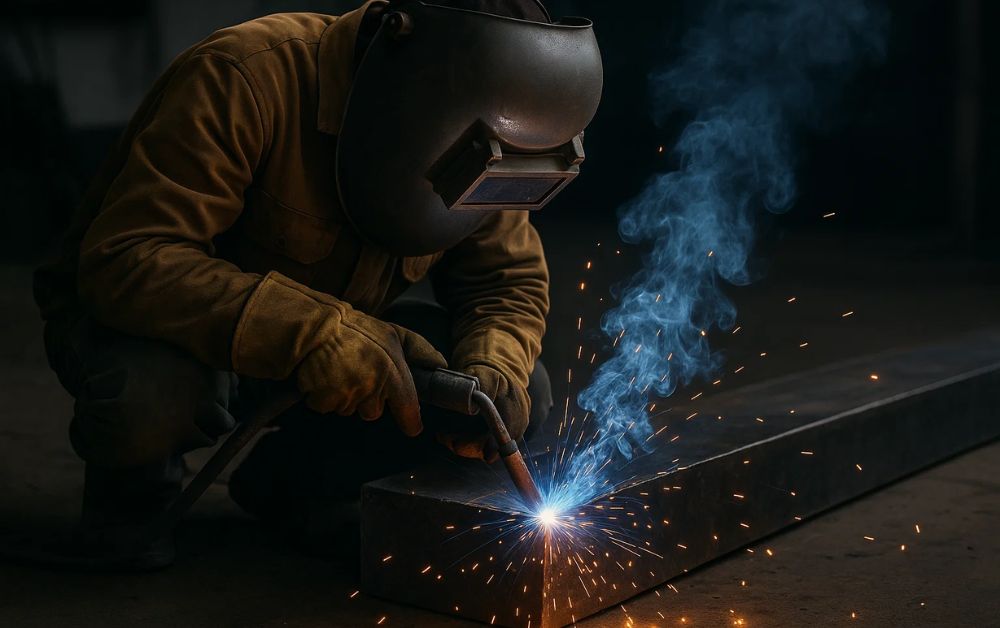
If you are looking for reliable welding service Dubai, understanding the differences between primary welding techniques is key. Whether for construction, fabrication, maintenance, or a manufacturing setup, choosing the proper process involves cost, quality, and material suitability considerations. In this blog, we’ll compare three widely used methods: MIG Welding (Metal Inert Gas), TIG Welding (Tungsten Inert Gas), and Manual Metal Arc Welding, also known as MMA or Stick Welding. We’re also highlighting one of the best providers of industrial welding support, Raysun Techno Industries LLC, giving an idea of how professional applications deliver value.
MIG welding
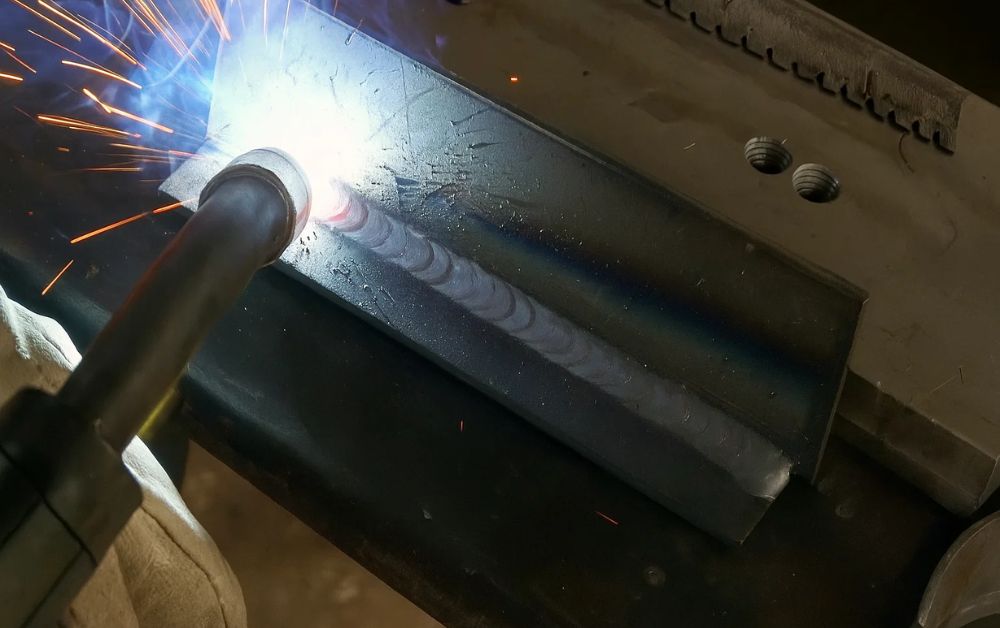
MIG welding utilizes a consumable wire electrode that’s constantly fed through a welding gun with protection provided for the weld pool by a shielding gas.
How it works: The wire does double duty as both electrode and filler metal, melting into the weld joint as it strikes the arc. Shielding gas (argon or argon/CO₂ mix, etc.) flows to exclude atmospheric oxygen and nitrogen from compromising the weld.
Advantages:
- High productivity: great for long welds or high‑volume work.
- Relatively more straightforward to learn than some of the other techniques, making it suitable for many fabricators.
- Versatile across many materials: carbon steel, aluminium, some alloys, just under the proper setup.
Limitations:
- Sensitive to environment: welding in outdoor conditions or a windy area may result in disturbance of the shielding gas, causing contamination and defects.
- Some limitations in precision with fragile metals when compared to TIG.
Typical uses: Structural steel, heavy fabrication, production welding, thick sections where speed is essential.
Technique tips: Use the right angle of travel – usually between 5‑15°; push or pull technique to suit the joint and thickness of material.
TIG Welding
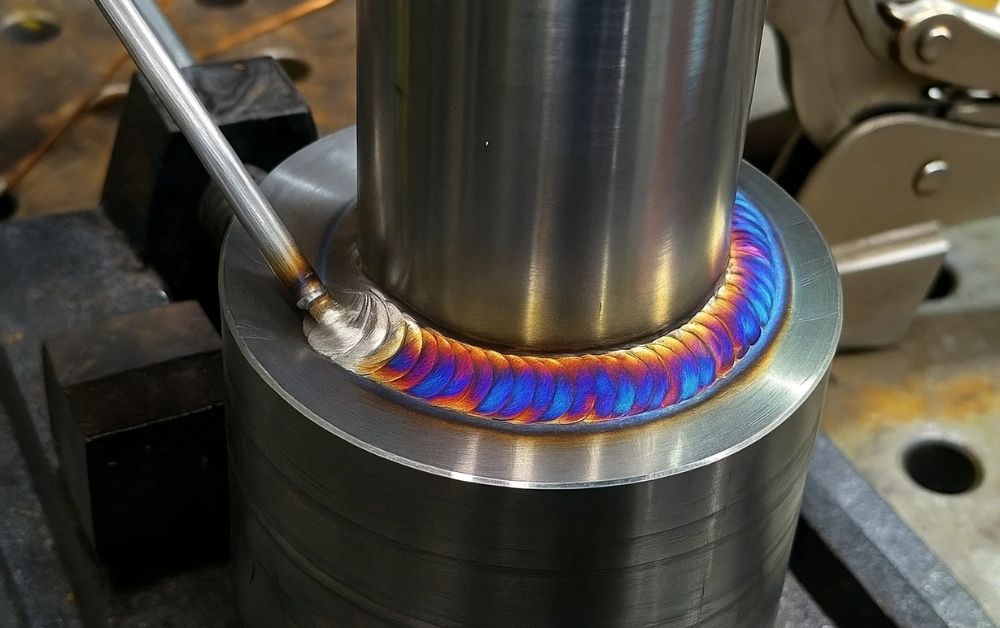
TIG welding employs a non-consumable tungsten electrode and an inert gas shield (argon) for the arc and weld pool. Filler metal may or may not be added depending on the joint configuration.
How it works: An arc is struck from a tungsten electrode to the base metal. The operator manipulates the weld pool and oxide layer with care; filler wire is often added by hand. Requires thorough preparation of materials.
Advantages:
- High precision, excellent weld quality; minimal spatter, clean finish, strong metallurgical properties.
- Works very well for thin materials, non‑ferrous metals, like aluminum, magnesium, and stainless steel.
Limitations:
- Slower than MIG, more operator skill required.
- Cleaner material surfaces and stable environments (indoors, good setup) are required to achieve this.
Typical applications: include aerospace, piping, thin sheet metal, and high‑quality architectural or decorative work.
Technique tips: Keep the weld area clean, select the proper type of tungsten electrode, use the proper inert gas flow, and ensure a proper joint fit‑up.
Manual Metal Arc (MMA) / Stick Welding
Shielded Metal Arc Welding (SMAW), also referred to as MMA welding, uses a flux-coated consumable electrode. The melting of the electrode coating produces shielding gases and slag for the protection of the weld.
How it works: A power source creates an arc between an electrode and the workpiece. The electrode melts and becomes part of the joint. The flux coating releases gases and leaves slag, which must be cleaned after.
Advantages:
- It is a very portable, adaptable device that can work outdoors in difficult conditions with heavier materials or in repair situations.
- Relatively low equipment cost; suitable for heavy repair and construction.
Limitations:
- Slower deposition rate than MIG; more cleanup required (slag removal).
- The weld appearance and finish may not be as clean as TIG.
Typical applications: Field repairs, heavy construction, maintenance, thick plates in structural steel, and on‑site welding where conditions are less controlled.
Technique tips: Select proper electrode size and type for the job at hand; maintain arc length properly, too long an arc creates defects; remove slag between passes.
Side‑by‑Side Comparison
Here’s a summary to help you choose among the three:
| Process | Speed / Productivity | Precision / Finish | Best for: Materials/Conditions | Equipment & Skill |
| MIG | High | Good | Production, thicker metals, indoor use | Moderate Equipment + Operator Skill |
| TIG | Moderate to slow | Excellent | Thin materials, stainless, aluminum, high finish | Higher skill & cost |
| MMA | Moderate | Functional | Outdoor, repairs, thick, poorly prepared plates | Simple equipment, rugged use |
In short, speed and volume require MIG, quality and appearance are paramount when using TIG, and flexibility and field conditions are needed when using MMA.
Why Choose a Professional Provider like Raysun Techno Industries LLC?
When you need top-shelf welding service in Dubai, it is always a good idea to work with a facility such as Raysun Techno Industries LLC. Based in Dubai Investment Park, Raysun offers a wide array of metal welding services for industrial clients that include oil & gas and machinery repair and fabrication. Here’s why they stand out:
- They provide certified welders operating with methods such as MIG welding, working under controlled parameters.
- Their service base supports the needs of heavy industry customers in machining, electromechanical work, surface treatment, and inspection, among others, meaning they understand the full lifecycle of welded components.
- From specialized welding and repair to industrial fabrication, their expertise encompasses it all and will give you confidence in quality and dependability when selecting a provider for your project.
Conclusion
Knowing the differences between MIG, TIG, and MMA welding techniques will better prepare you to choose the proper process for your job. If you need professional assistance in the UAE, particularly a quality welding service in Dubai, among the best-in-class is Raysun Techno Industries LLC. The selection of the proper technique would not only affect the upfront cost but also the durability, appearance, and performance of the weld. Whatever your chosen method might be, it has to be with a provider who can offer the right experience, equipment, and quality controls.
Whether your need is for fabricating structural components, creating high-finish metallic parts, or executing repair work in challenging conditions, having complete knowledge of the strengths and limitations of each method helps you make the right decisions. When you partner with an experienced service provider, you can focus on your core business while keeping the welding expertise in capable hands.For the next weld job in Dubai, from high-volume fabrication to precision joints, your partner must understand MIG, TIG, and MMA inside and out. With such a sound approach, you will be well on your way to a strong-welded outcome.
