
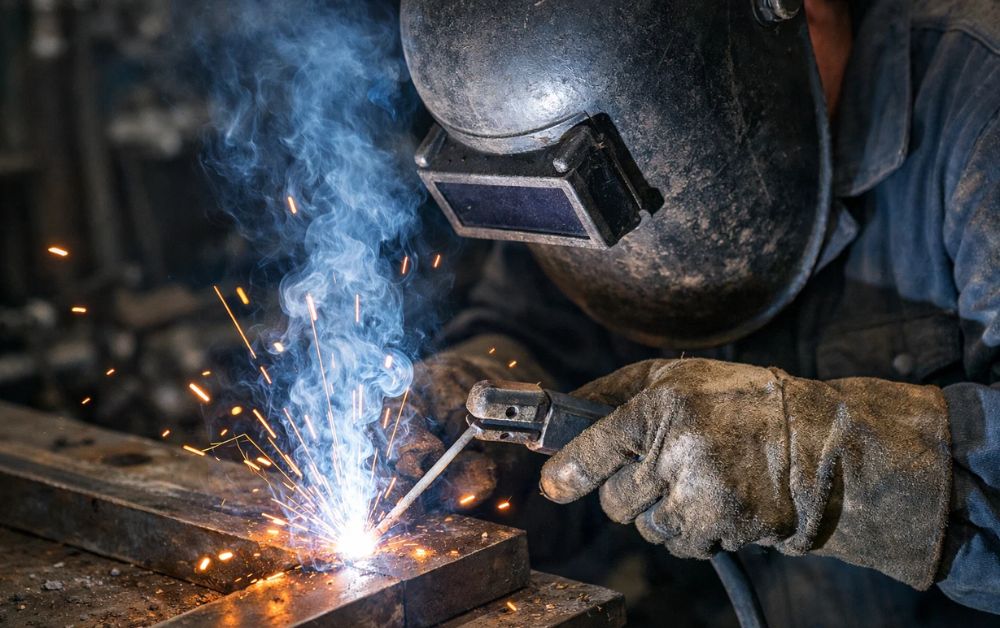
In the era of high-end welding techniques such as laser and automatic robotic, the manual metal arc is still considered one of the oldest but most practiced welding processes in various industrial operations all over the world. Also known as shielded metal arc welding, manual metal arc welding, or stick welding) It is a traditional technique that remains one of the most popular and versatile methods of joining metal. Even the upstream engineering service providers, such as an expert in laser welding & engineering excellence, Raysun Techno Industries LLC, can integrate this into their broader suite of metal joining service offerings for heavy industry, machinery fabrication, and infrastructure projects.
What Is Manual Metal Arc Welding?
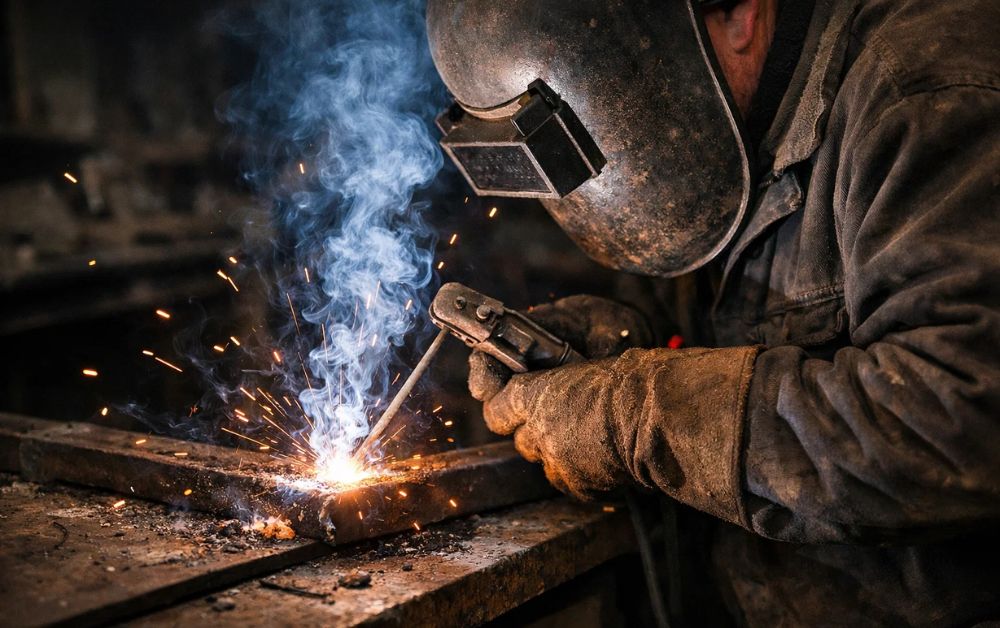
MMA welding is an arc welding process in which the electric arc burns between a coated consumable electrode and the base material. The high temperature of the weld pool melts the electrode as well as the workpieces. When the metal cools, it will bond together to create a strong joint. The flux coating is broken down during the welding process to create a shielding gas and slag that protect the weld from contamination.
Though more advanced technologies such as laser welding and the like are now available for precision and automation, the simplicity of MMA welding means it is still often a go‑to method in many real-world situations ‑ especially when access, cost, or portability are key considerations.
Why It Has Stood the Test of Time
1. Simplicity and Accessibility
The main thing that has kept manual metal arc welding so popular is how simple it is. The equipment used is easily set up and operated (welding power source, electrode holder, grounding clamp, and consumable electrodes). This simple configuration allows welders to be up and running with minimum setup time, eliminating the need for complicated installation and calibration.
Contrary to advanced techniques such as laser welding, MMA welding doesn’t require extensive peripheral equipment like gas supplies or sophisticated automation, being viable even in less‑well‑equipped work areas.
2. Low Initial Investment
The cost of MMA welding equipment and consumables is comparatively low, especially compared with high‑end welding techniques like laser or robot systems. That sort of hard-working performance is what you would expect from a larger compressor, and, not surprisingly, this workhorse series fills the bill for smaller industrial settings like automotive repair shops, fabrication, or woodworking ones, to name just some.
3. Portability and Field Use
Manual metal arc equipment is small and portable. It may be genny-driven, allowing welding in areas where power is nonexistent, or other methods fail. For example, work on a construction site, at a shipyard, pipeline, or out to the mission platform often requires MMA welding because setup limitations and logistics don’t always allow for heavier equipment.
This mobility also gives a distinct edge in on‑site repair work where a small space does not permit moving the equipment or construction to a fixed workshop.
4. Versatility for Different Metals and Positions
MMA welding is highly versatile. The skilled welder can use it to join metals such as carbon steel, stainless steel, or cast iron in any welding position (flat, horizontal, vertical, and overhead). This flexibility means MMA welding can be used in numerous structural and fabrication applications, from strong frames to steel support structures.
This versatility is the main reason why professions such as construction, heavy machinery fabrication, and industrial maintenance continue to use MMA welding extensively.
5. Robustness in Challenging Conditions
Unlike other methods which rely on controlled conditions (i.e., TIG or laser welding), MMA welding works great in the field – outside, on location – even if it’s windy, dusty, otherwise grimy. The flux coating is sufficient to provide natural resistance against atmospheric contamination so that welders can work in demanding field conditions, without special enclosures or shield gas being required.
For the likes of Raysun Techno Industries LLC that cater to heavy industrial sectors including oil and gas, construction, and fabrication, the flexibility in providing both robust MMA welding as well as leading laser technology welding features sees clients benefit from traditional out-in-the-field capable processes alongside fine precision engineering where required.
6. Strong and Durable Welds
Strong welds that are capable of bearing heavy loads, vibration, and stresses can be produced with MMA welding when used by experienced operators. It has strength and shock resistance and can be utilized in most types of applications, including composite materials, gaskets, gears, material handling equipment parts, etc.
And even if our motor industry runs half-a-million-dollar robots to stitch steel with a thousandth-of-an-inch accuracy, the ruggedness and portability of MMA welding cannot be beaten for total climatic independence in a range of tasks.
The Human Skill Factor
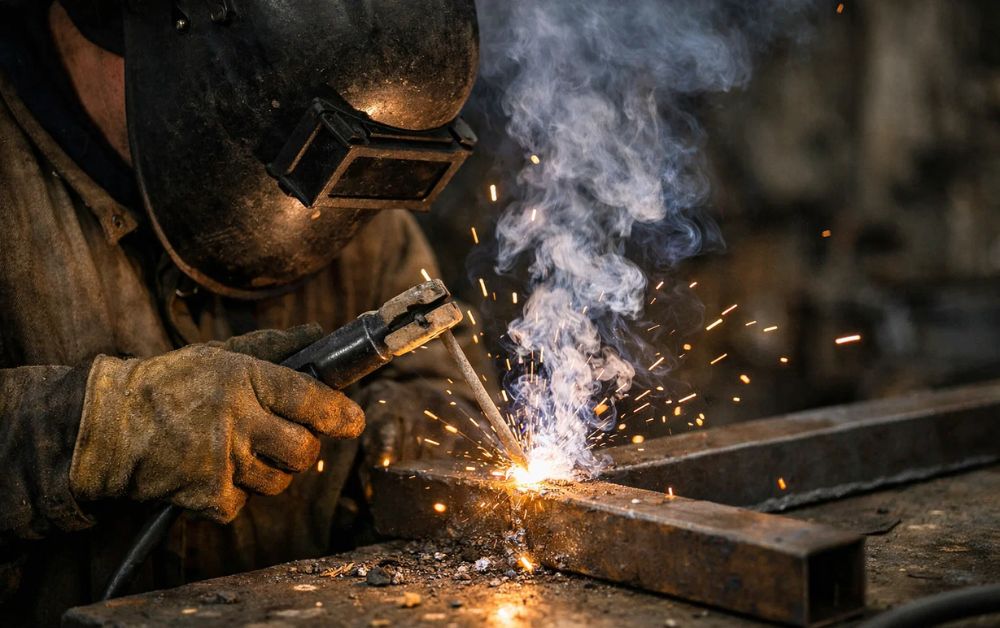
Manual metal arc welding also has the distinct advantage that the skill of the welder is vital. The guidance of trained welders continues to be necessary for maintaining arc length, heat input, and adjusting the electrode to ensure consistent quality, despite automation reducing the likelihood of human error in some processes when welding with MMA. This human factor — once viewed as a weakness — is in fact an asset when flexibility and discretion are called for.
Conclusion
Manual metal arc welding remains popular not because it is old-fashioned, but because it provides an optimal and rare combination of simplicity, versatility, cost-effectiveness, and in-the-field serviceability. Whilst a process like laser welding is leading the way in precision and automation, MMA welding still provides the foundation for many structural, fabrication, and repair applications everywhere.
For companies such as Raysun Techno Industries LLC, traditional welding methods such as MMA coexist with high‑tech processes, including laser welding and engineering know-how to meet a wide range of client requirements—ranging from rough-and-ready field repairs through to the highly precise manufacture of components. In a wide range of tough working environments, such as in the mining and earthmoving sector, which are subject to extreme conditions, MMA welding is still considered by many as an extremely valuable repair and maintenance process.
