
Introduction
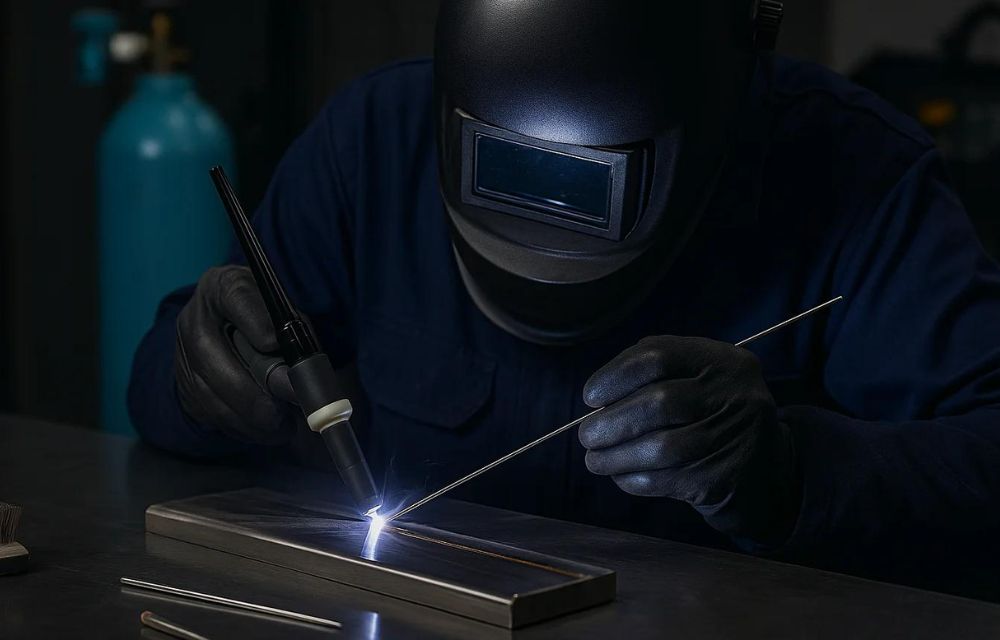
Among the many welding techniques used in modern fabrication, TIG welding stands apart for its exceptional precision and clean finish. TIG Welding Dubai is widely used across industries where weld quality cannot be compromised — from aerospace and oil and gas to food processing and custom metalwork. This guide breaks the process down step by step so you understand exactly how it works.
What Is TIG Welding?
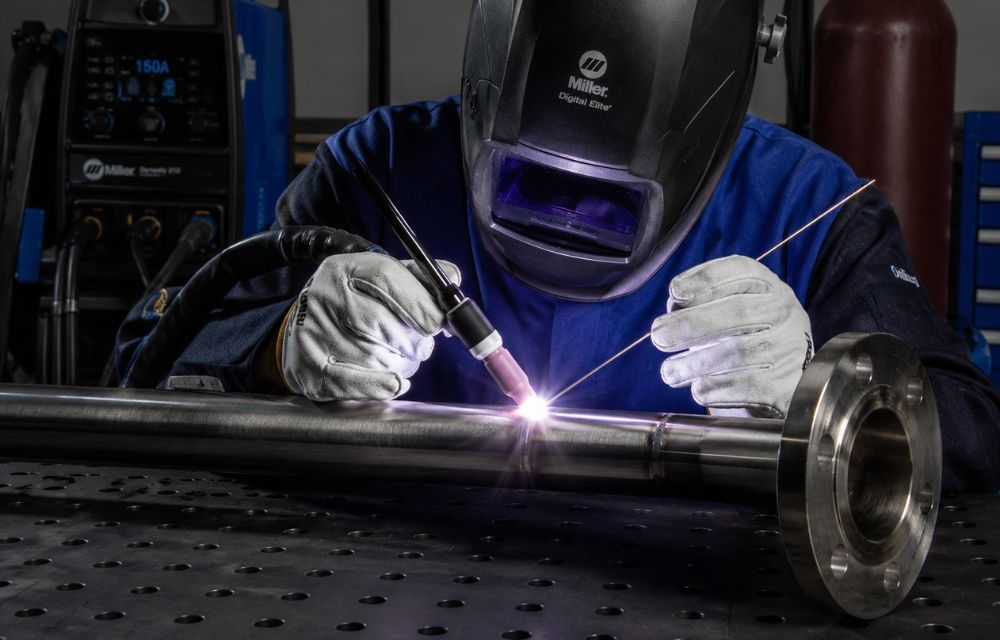
TIG stands for Tungsten Inert Gas, and the process is also referred to as GTAW — Gas Tungsten Arc Welding. It uses a non-consumable tungsten electrode to create an electric arc that melts the base metal. A shielding gas — most commonly argon — is continuously fed around the weld area to protect it from atmospheric contamination. A separate filler rod may be added manually by the welder depending on the joint type and material.
Unlike MIG welding where the electrode is consumed as filler, TIG keeps the electrode intact. This gives the welder greater control over heat input and weld quality, making it the preferred choice where precision and appearance both matters.
The TIG Welding Process: Step by Step
Step 1 – Material Preparation
Proper preparation is the foundation of a good TIG weld. The base metal must be thoroughly cleaned before any arc is struck. Oil, grease, paint, rust, or oxide layers on the surface can all cause porosity, contamination, or weak bonds in the weld. Use a degreaser first, then a stainless-steel wire brush or grinder to achieve a clean, bare metal surface.
Step 2 – Machine and Gas Setup
Select the right tungsten electrode for the material being welded. Pure tungsten is used for aluminium with AC power, while ceriated or thoriated tungsten works better for steel with DC power. Set the amperage according to the material thickness — generally lower amps for thin materials and higher for thick sections. Connect the argon gas supply and set the flow rate, typically between 8 and 15 litres per minute depending on the application.
Step 3 – Grind the Tungsten Tip
The shape of the tungsten tip significantly affects arc stability and weld quality. For DC welding on steel, the tip is ground to a sharp point. For AC welding on aluminium, a balled tip is preferred. Always grind in line with the electrode length, not across it.
Step 4 – Position the Torch
Hold the TIG torch at approximately 15 degrees from vertical, pointing in the direction of travel. The tungsten tip should sit about 3 to 6 mm from the base metal. Consistent torch angle and distance are essential for maintaining a stable arc and producing a uniform weld bead.
Step 5 – Start the Arc
Most TIG welders use a high-frequency start, meaning the arc initiates without the tungsten touching the metal. This prevents tungsten contamination of the weld pool. Press the foot pedal or activate the torch switch to begin the arc. Some welders use a scratch start method, though high-frequency is preferred for cleanliness.
Step 6 – Establish the Weld Pool
Move the torch steadily along the joint at a consistent pace. A molten pool will form beneath the arc. The size of this pool determines the penetration and width of the weld. Control the pool size using the foot pedal to adjust amperage as you move along the joint.
Step 7 – Add Filler Rod
When filler is required, feed the rod into the leading edge of the weld pool at a low angle — typically around 15 degrees. Add it in a steady, rhythmic motion without touching the tungsten. Touching the rod to the electrode contaminates it and ruins the arc stability.
Step 8 – Complete, Cool, and Inspect
When the weld is finished, keep the argon gas flowing for a few seconds after the arc stops to protect the hot weld from oxidation. Allow the joint to cool naturally. Inspect the finished bead for consistency, complete fusion, and the absence of cracks, porosity, or undercut.
Suggested Read – TIG Welding vs MIG Welding – Which One Is Better for Projects in the UAE?
Why TIG Welding Is the Gold Standard
TIG welding produces the cleanest, strongest, and most visually appealing welds of any process. It works on stainless steel, aluminium, copper, titanium, and exotic alloys. The level of control it provides makes it ideal for critical applications where weld integrity is non-negotiable.
Conclusion
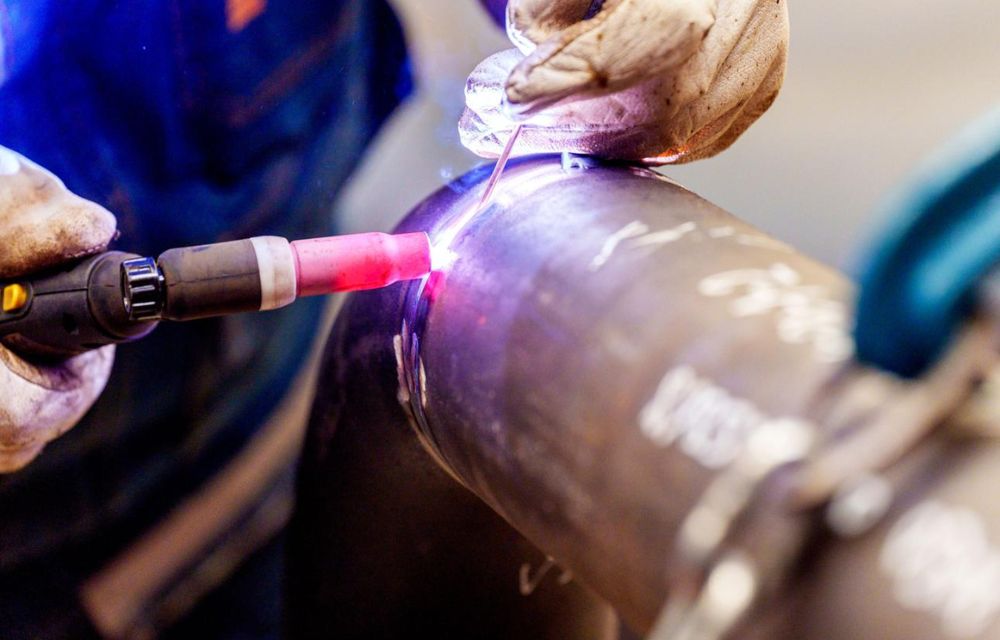
Understanding TIG Welding Dubai from start to finish reveals just how skilled and methodical the process truly is. Every step — from surface preparation to final inspection — plays a role in the quality of the finished weld. Raysun Techno Industries LLC brings certified welding expertise and modern equipment to every project, delivering TIG welds that meet the strictest industry standards across the UAE.
