Introduction
In every industry that deals with materials, structures, or mechanical components, testing is not optional — it is a necessity. The question is not whether to test, but how. NDT Inspection Dubai has emerged as the preferred approach for industries that want reliable quality assurance without sacrificing valuable equipment or components. Compared to traditional destructive testing, NDT offers a wide range of advantages that make it the smarter, safer, and more cost-effective choice for most applications.
Understanding the Two Testing Approaches
What Is NDT Inspection?
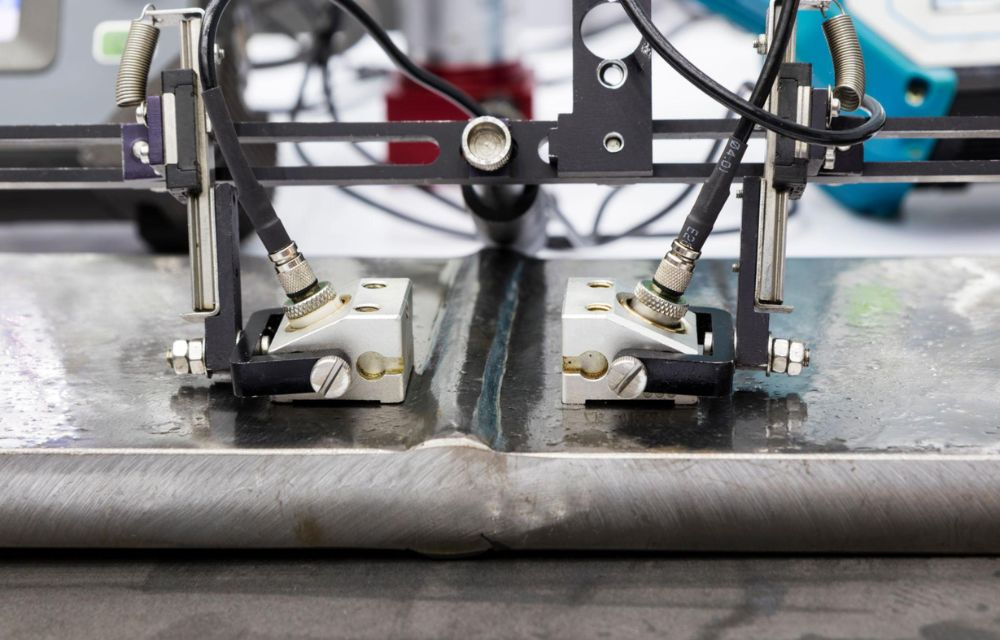
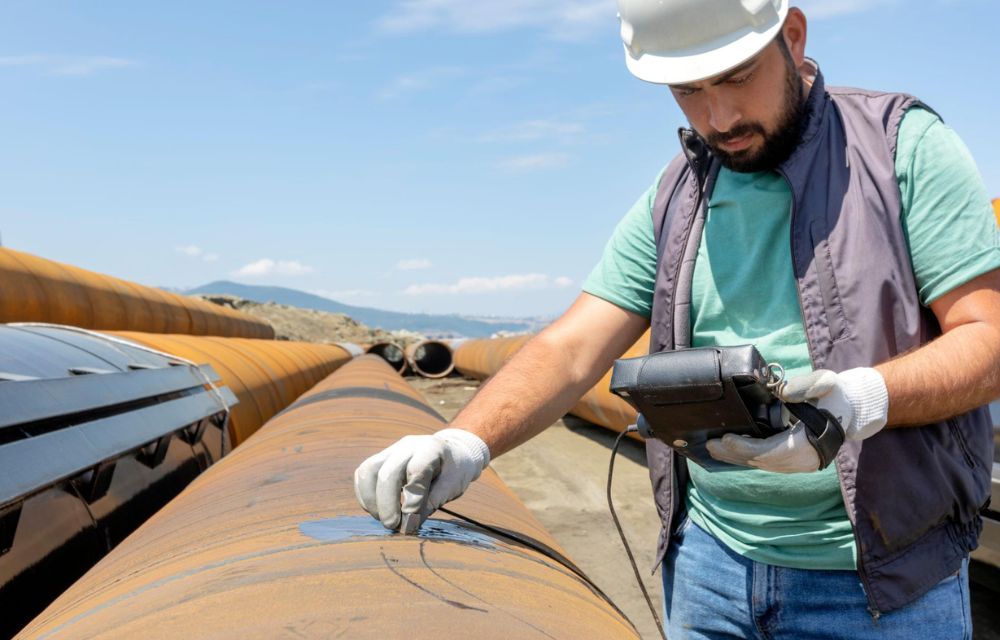
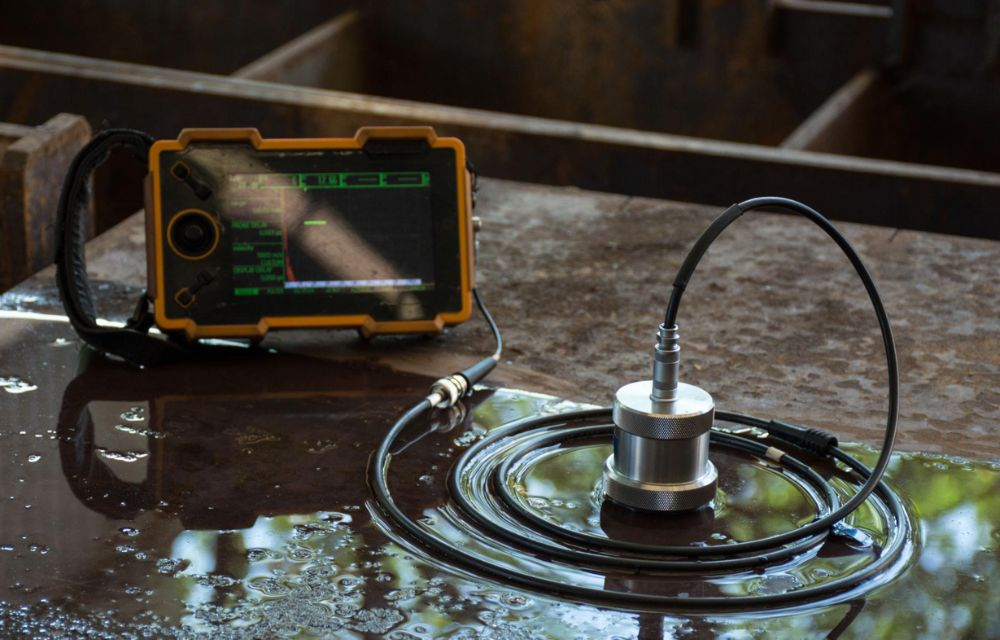
NDT stands for Non-Destructive Testing. It is a collection of analysis techniques used to evaluate the properties of a material, component, or system without causing any damage. Common NDT methods include ultrasonic testing, radiographic testing (X-ray), magnetic particle inspection, liquid penetrant testing, eddy current testing, and visual inspection. Each method is suited to detecting specific types of defects in specific materials.
What Is Destructive Testing?
Destructive testing involves applying force, stress, or other agents to a material until it fails or breaks. This reveals how the material behaves under extreme conditions and what its limits are. However, the tested sample is always destroyed in the process and cannot be used again. This makes destructive testing suitable mainly for batch samples or research purposes, not for routine inspection of operational equipment.
Key Advantages of NDT Over Destructive Testing
1. The Component Remains Fully Usable
The most significant advantage of NDT is that the tested component is not damaged or destroyed. After inspection, it goes straight back into service. With destructive testing, the sample is gone. When you are dealing with expensive components or critical equipment, this difference is enormous.
2. Significant Cost Savings
Destructive testing sacrifices material with every test. NDT does not. While NDT equipment and trained technicians require investment, the savings from not destroying components — and not halting production — make it far more economical over time. For high-volume industries, these savings are substantial.
3. In-Service and Real-Time Inspection
One of the most powerful features of NDT is the ability to inspect equipment and structures while they are still in service. Pipelines, pressure vessels, storage tanks, bridges, and aircraft components can all be checked without shutting down operations. Destructive testing cannot do this at all.
4. Early Detection of Defects
NDT finds problems before they become failures. Cracks, corrosion, voids, and material thinning can be detected at an early stage, allowing for planned maintenance and repair. This proactive approach prevents unexpected breakdowns, reduces downtime, and — most importantly — protects people from harm caused by equipment failure.
5. 100% Inspection Is Possible
Because NDT does not damage components, every single part in a production run or every section of a structure can be inspected. Destructive testing can only check samples, leaving the rest untested. NDT provides complete coverage and far greater confidence in quality assurance.
6. Wide Range of Applications
NDT works across metals, composites, ceramics, concrete, plastics, and welds. It can detect surface and subsurface defects, measure material thickness, assess coating quality, and even locate internal structural anomalies. This versatility makes it applicable to virtually every industry, from construction and oil and gas to aerospace and marine.
7. Environmental and Sustainability Benefits
Because NDT preserves materials and extends the life of components, it contributes to more sustainable operations. Less waste, fewer replacements, and reduced material consumption all align with modern environmental goals that businesses in the UAE are increasingly prioritizing.
Related Blog – Advantages of NDT Inspection Over Destructive Testing
When Destructive Testing Still Has a Role
Destructive testing is not entirely obsolete. It plays an important role in product development, material qualification, and establishing performance benchmarks for new designs or materials. However, for routine operational inspection and quality assurance of existing assets, NDT is the clear choice.
Raysun Techno Industries LLC: Reliable NDT Expertise
Raysun Techno Industries LLC provides professional NDT Inspection Dubai services tailored to the needs of industrial clients across the UAE. Their team of certified technicians uses advanced equipment and proven methodologies to deliver accurate, reliable results. From weld inspection to corrosion monitoring and thickness measurement, Raysun covers the full spectrum of NDT applications.
Conclusion
The advantages of NDT Inspection Dubai over destructive testing are clear — from cost savings and in-service inspection to early fault detection and sustainability. For industries where safety, reliability, and efficiency matter, NDT is not just a better option, it is the standard. Trust Raysun Techno Industries LLC to deliver NDT inspection services that protect your assets and keep your operations running at their best.
