
Introduction
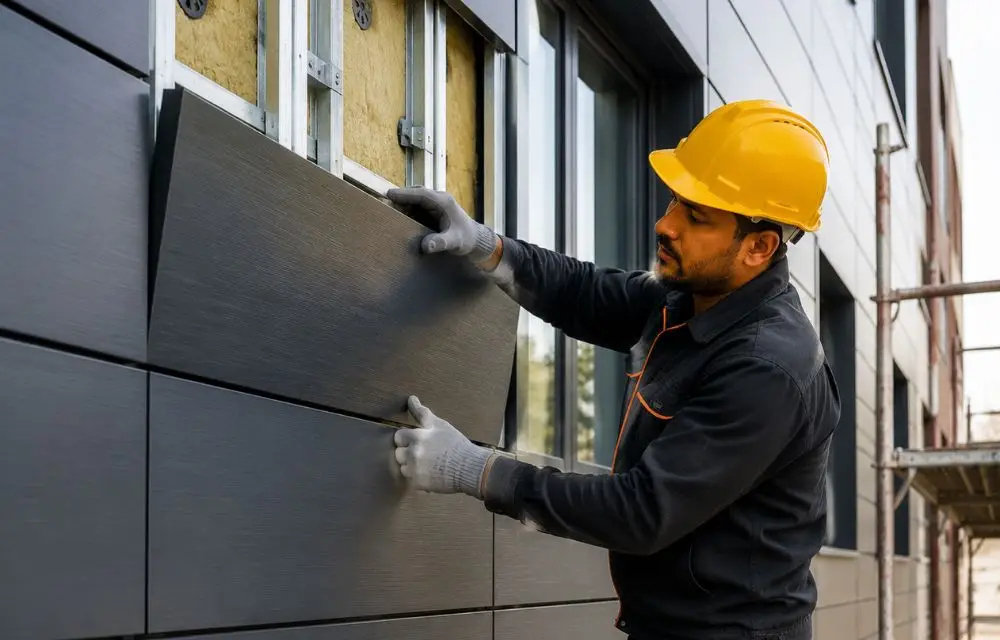
Cladding is one of the most versatile and widely used construction and engineering techniques — the application of one material over another to protect, insulate, improve performance, or enhance the appearance of the underlying structure. In Dubai’s demanding construction and industrial environment, cladding is applied in many different contexts, from the architectural facades of commercial buildings to the thermal insulation of industrial pipelines and the wear protection of mechanical components. Understanding the differences between internal and external cladding — including what each type is designed to achieve and the materials and techniques used — helps engineers, contractors, and building owners make the right cladding decisions for their specific applications. Professional cladding service in dubai specialists can advise on the most appropriate approach for each situation.
External Cladding: Protection and Aesthetics
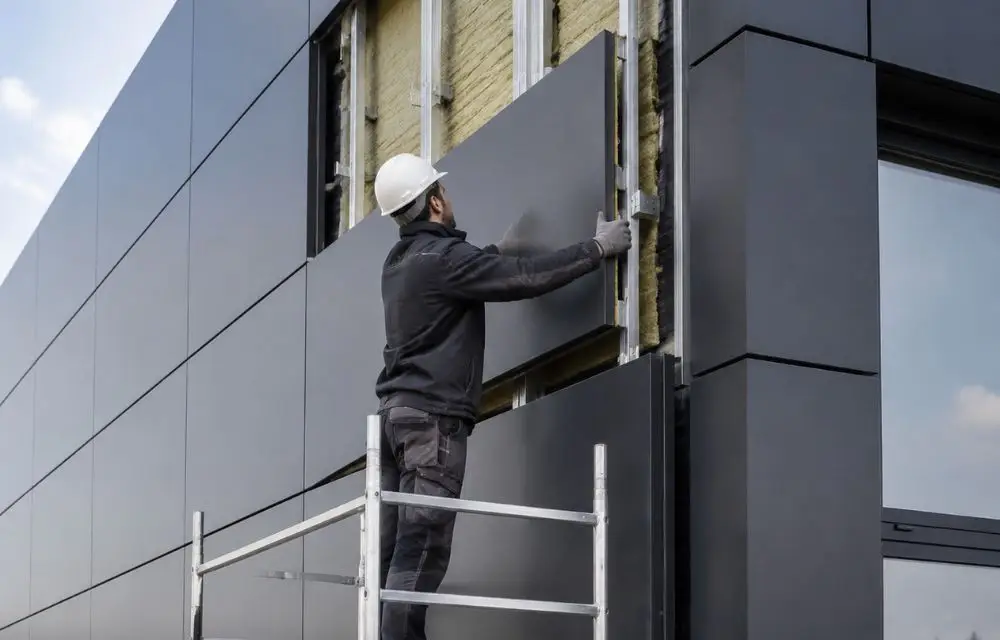
External cladding refers to material applied to the exterior surfaces of buildings, structures, or equipment — the surfaces that face the outdoor environment. The primary purposes of external cladding are weather protection, thermal insulation, UV resistance, and in architectural applications, aesthetic improvement of the facade. For buildings, external cladding systems include aluminium composite panels, glass curtain walls, stone cladding, terracotta panels, and various other materials that create a protective and visually finished exterior surface. These systems must withstand the full range of environmental conditions — in Dubai’s case, extreme heat, intense UV radiation, sandstorms, and occasional high winds — while maintaining their protective and aesthetic performance over many years.
For industrial equipment — pipelines, tanks, vessels, and process equipment — external cladding typically takes the form of thermal insulation systems that reduce heat loss or heat gain and protect the insulation layer from mechanical damage and moisture. Stainless steel jacketing, aluminium cladding, and weatherproof composite systems are common materials for industrial external cladding.
Internal Cladding: Function and Performance
Internal cladding is applied to interior surfaces of buildings, structures, or the internal surfaces of equipment and pipelines. In the architectural context, internal cladding serves purposes including fire protection, acoustic treatment, hygienic surfacing in food processing or healthcare environments, and aesthetic improvement. In the engineering and mechanical context, internal cladding most commonly refers to the application of protective coatings or surfacing materials to the internal bores of pipes, vessels, cylinders, and other components. This internal cladding may be applied to provide corrosion resistance by lining the internal surface of a carbon steel pipe with a corrosion-resistant alloy, or wear resistance by applying a hard-facing alloy to the internal surface of a pump casing subject to abrasive flow.
Related Blog – Top Benefits of Cladding Works in Dubai’s Harsh Climate
Key Differences in Materials and Techniques
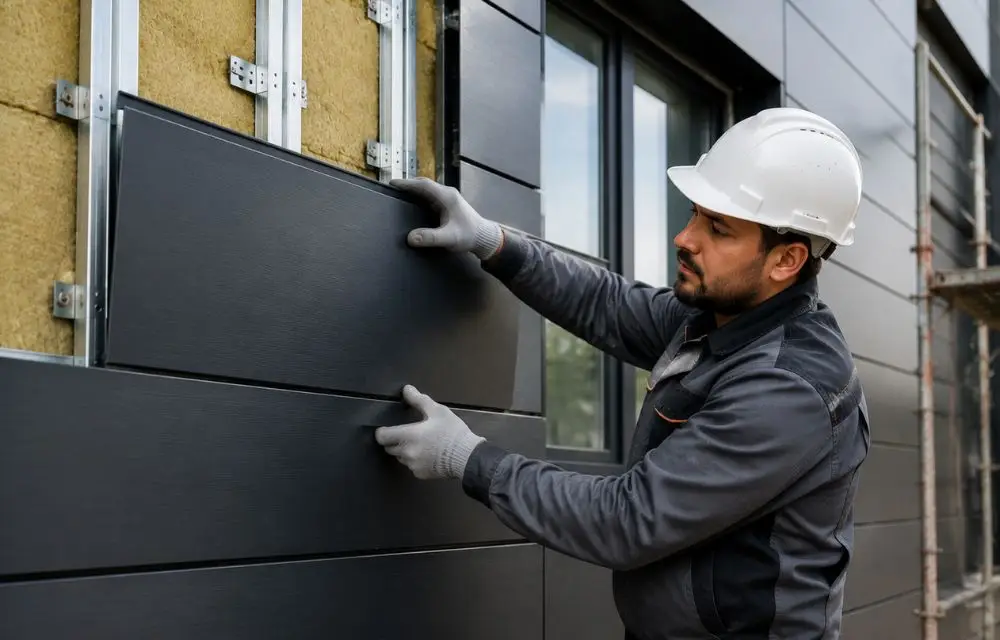
The materials and application techniques used for external and internal cladding differ significantly based on the different performance requirements of each application. External architectural cladding typically uses sheet materials fixed to a supporting framework, with attention to weatherproofing at joints and thermal bridging at fixings. Internal engineering cladding often involves welding or thermal spray techniques — laser cladding, plasma transferred arc welding, HVOF thermal spray, or conventional MIG and TIG welding — to apply a metallurgically bonded layer of the cladding material to the substrate. This metallurgical bond is essential for internal wear and corrosion protection cladding because the mechanical stresses involved cannot be withstood by adhesive or mechanical fixing methods.
In many cases, both internal and external cladding are specified for the same component — for example, a pipeline carrying corrosive process fluid in an outdoor environment may need internal corrosion-resistant lining and external insulation cladding. Professional cladding service in dubai specialists understand both types and can advise on the complete cladding solution for any application.
Conclusion
Internal and external cladding serve different but equally important purposes — external cladding protects structures from the environment, while internal cladding protects surfaces from the threats they face from within. Understanding the difference helps engineers, building owners, and facility managers specify the right cladding solution for each application. For professional guidance on both internal and external cladding requirements in Dubai, working with experienced cladding service in dubai specialists ensures the most appropriate materials and techniques are applied for lasting, high-performance results.
