
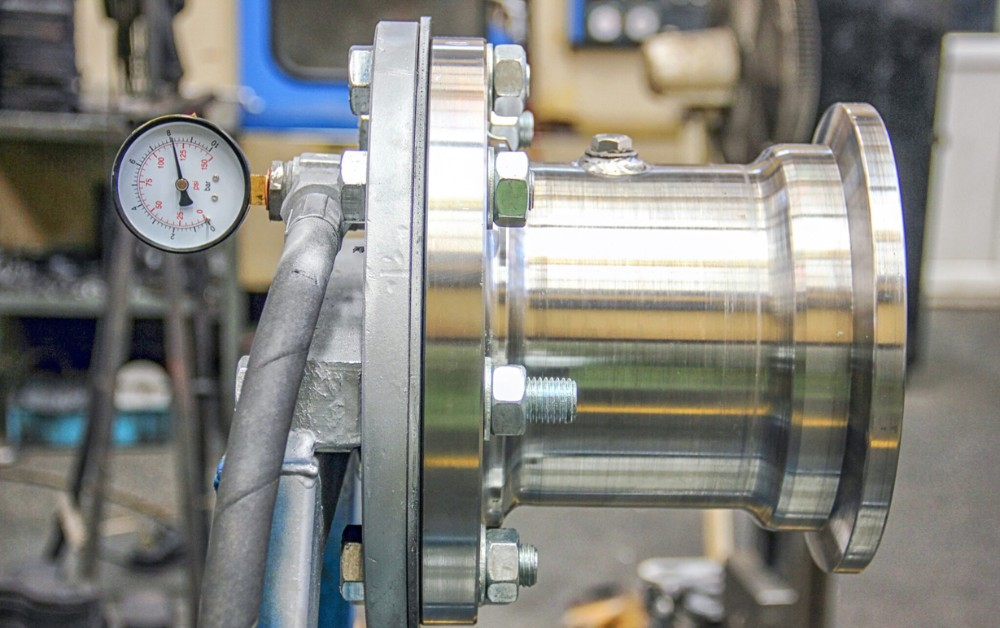
In the booming construction and industrial sectors of the UAE, safety and compliance are not just recommendations—they are legal and operational necessities. Whether you’re working on pipelines, tanks, HVAC systems, or fire protection networks, performing a Pressure Test Dubai is a mandatory step before any system is put into operation. But what exactly is a pressure test, and why is it so crucial in Dubai’s regulatory environment? This article will help you understand how pressure testing works, where it applies, and what makes it indispensable for safe and compliant project delivery.
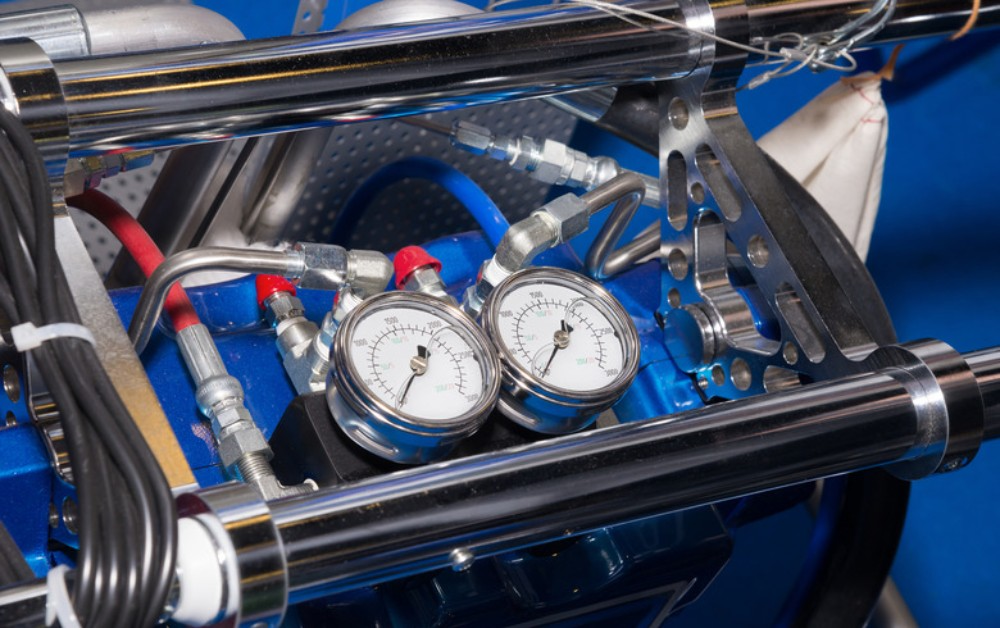
What Is a Pressure Test?
A pressure test is a procedure used to verify the integrity and strength of a system that is designed to contain or transport pressurized fluids or gases. During this test, the system is subjected to pressures higher than its normal operating conditions to confirm that it can withstand the required loads without leaking or failing.
There are several methods of pressure testing, but the most common ones include:
- Hydrostatic Testing – Filling the system with water and applying pressure to detect leaks or weaknesses.
- Pneumatic Testing – Using air or inert gases to pressurize the system when using liquids is not feasible.
- Vacuum Testing – Creating negative pressure to ensure no leaks inward.
Each method requires specialized equipment, skilled personnel, and strict adherence to safety protocols.
Why Is Pressure Testing Mandatory in Dubai?
1.Safety Regulations
Dubai has some of the strictest safety regulations in the region. Authorities such as Dubai Municipality and the Dubai Civil Defence enforce codes to protect public safety, employees, and the environment. A Pressure Test Dubai is mandatory because it helps prevent catastrophic failures that can lead to injuries, property damage, or environmental contamination.
2.Quality Assurance
Clients, contractors, and consultants must guarantee that systems have been built to the highest standards. Pressure testing verifies that all welds, joints, seals, and materials perform as expected before the system is commissioned.
3.Regulatory Compliance
Building permits and operational approvals require documented proof that a Pressure Test Dubai has been conducted according to established standards such as ASME, API, or local UAE codes. Without this evidence, project handover can be delayed, and substantial penalties may be imposed.
4.Insurance Requirements
Most insurers in Dubai will not underwrite policies for mechanical systems unless certified pressure tests are completed. This is particularly important for projects in the oil and gas, chemical, and marine sectors.
5.Operational Readiness
Testing under pressure helps ensure that systems can perform reliably once they are in service. Identifying leaks or material weaknesses early allows for corrective actions before the system becomes operational, saving time and money in the long term.
Common Applications for Pressure Testing in Dubai
Pressure testing is a critical step in a wide variety of projects, including:
- Water Supply Pipelines – Verifying the integrity of potable and non-potable water systems.
- Gas Lines – Ensuring no leaks before introducing flammable gases.
- Fire Sprinkler Systems – Mandatory testing to comply with Dubai Civil Defence requirements.
- District Cooling Networks – Confirming that chilled water piping is leak-free and can handle operational pressures.
- Oil and Gas Facilities – From onshore terminals to offshore rigs, pressure testing validates all pressurized equipment.
Steps in a Typical Pressure Test Dubai
- Preparation and Isolation
The system is cleaned, inspected, and isolated. All vents, drains, and connections are secured. - Filling and Pressurizing
Water or gas is introduced into the system gradually, raising the pressure to a specified level above the design operating pressure. - Holding Period
The pressure is maintained for a set duration—often several hours—to monitor for drops in pressure or visible leaks. - Inspection and Documentation
Technicians inspect the system visually and instrumentally. If no issues are found, detailed reports are prepared and certified as evidence of compliance. - Depressurization and Draining
The system is safely depressurized and drained, ready for commissioning.
Related Blog – Why Is Pressure Testing Essential for Safety and Compliance?
Tips for Successful Pressure Testing
- Work with certified professionals who have experience conducting tests according to Dubai’s standards.
- Plan ahead to schedule testing early enough to avoid delays during project handover.
- Use calibrated equipment to ensure test results are accurate and accepted by regulatory authorities.
- Keep thorough records to satisfy inspectors, clients, and insurance companies.
Conclusion
A Pressure Test Dubai is much more than a regulatory formality—it is an essential process that protects people, assets, and the environment while ensuring your systems meet world-class standards. For companies seeking reliable, professional pressure testing solutions, Raysun Techno Industries LLC is a trusted partner. Their experienced team, modern equipment, and commitment to quality make them the ideal choice to ensure your pressure systems are tested safely, efficiently, and in full compliance with Dubai’s stringent requirements. Whether your project is large or small, their expertise helps you build with confidence and deliver results you can stand behind.
