
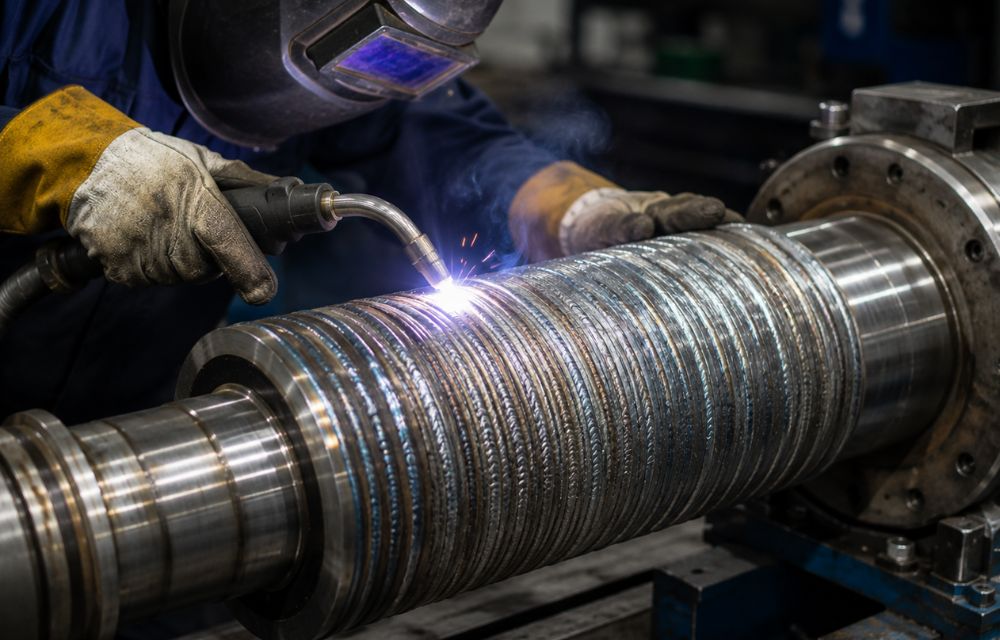
Industrial machinery is subjected to extreme wear and tear due to constant use in harsh environments. Components such as cutting tools, excavator buckets, crusher parts, and drilling equipment experience significant friction, impact, and abrasion. Hardfacing welding is a specialized process that enhances the durability and longevity of such equipment, reducing maintenance costs and improving operational efficiency.
What Is Hardfacing Welding?
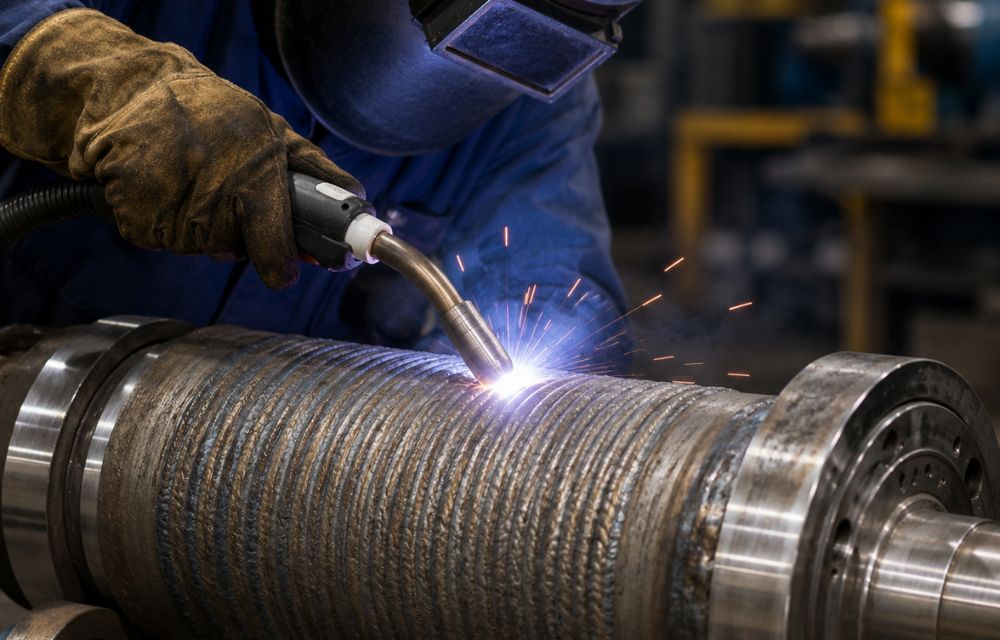
Hardfacing welding is a technique used to apply a wear-resistant material to the surface of metal components. This is done through welding, spraying, or thermal deposition processes to create a tough, wear-resistant layer that extends the service life of the machinery. It is commonly used in industries like mining, construction, agriculture, and manufacturing, where equipment is exposed to extreme mechanical stress.
Benefits of Hardfacing Welding
1. Increased Wear Resistance
The primary purpose of hardfacing welding is to protect metal surfaces from abrasion, impact, and corrosion. By adding a hard protective layer, the base metal is shielded from direct wear, significantly extending its lifespan.
2. Reduced Maintenance Costs
Frequent replacement of machine parts can be costly and time-consuming. Hardfacing reduces the need for frequent part replacements by enhancing the durability of components. This translates to lower maintenance costs and improved productivity.
3. Enhanced Performance and Efficiency
Machines with hardfaced components perform better under demanding conditions. The wear-resistant coating reduces friction, which improves operational efficiency and reduces energy consumption.
4. Corrosion and Heat Resistance
In industries such as oil and gas, chemical processing, and power generation, machinery is exposed to high temperatures and corrosive environments. Hardfacing materials such as tungsten carbide and chromium-based alloys offer excellent resistance to corrosion and heat, ensuring long-term performance.
5. Customization for Specific Applications
Hardfacing can be tailored to meet the specific needs of different industries. Various materials and deposition methods can be used depending on the type of wear a component is exposed to—whether it is abrasion, impact, or chemical corrosion.
Also Read – What is Hardfacing in Welding and How Can You Apply It?
Common Applications of Hardfacing Welding
- Mining and Construction Equipment – Bulldozer blades, excavator buckets, and crusher components require hardfacing to withstand extreme abrasion and impact.
- Agricultural Machinery – Plowshares, tillage tools, and harvesting equipment benefit from hardfacing to resist soil abrasion.
- Manufacturing Tools and Dies – Cutting tools, molds, and stamping dies need hardfacing to maintain sharp edges and precision.
- Oil and Gas Industry – Drill bits, valves, and pump impellers are hardfaced to resist corrosion and high-pressure conditions.
Conclusion
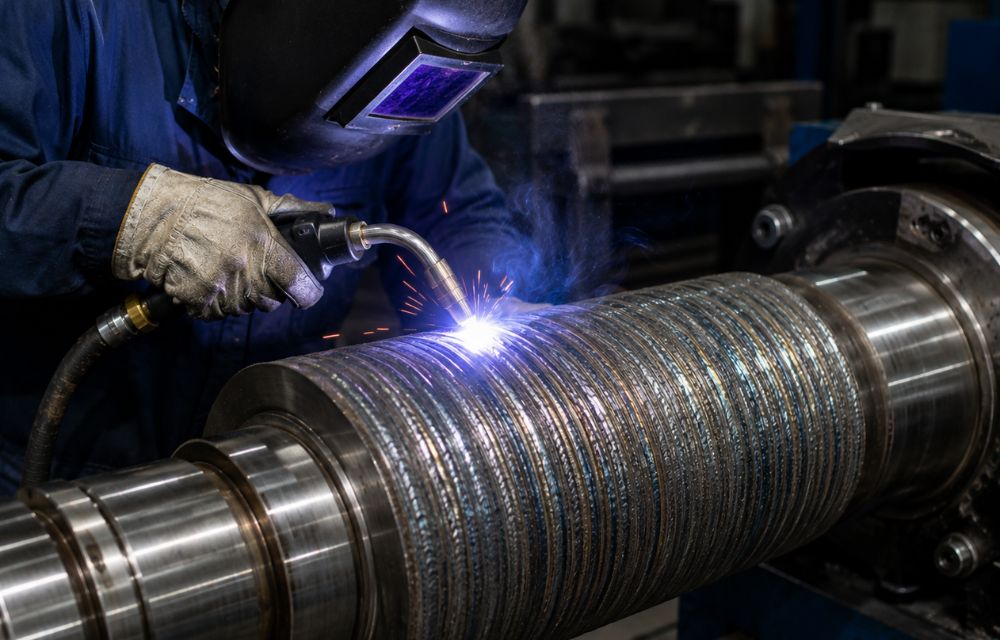
For industries relying on heavy machinery, hardfacing welding is a game-changer in extending the service life of critical components. Raysun Techno Industries LLC specializes in advanced Hardfacing Welding Dubai, offering high-quality solutions that enhance durability, reduce maintenance costs, and improve machine efficiency. Their expertise ensures that businesses can operate smoothly with minimal downtime and maximum productivity.
