
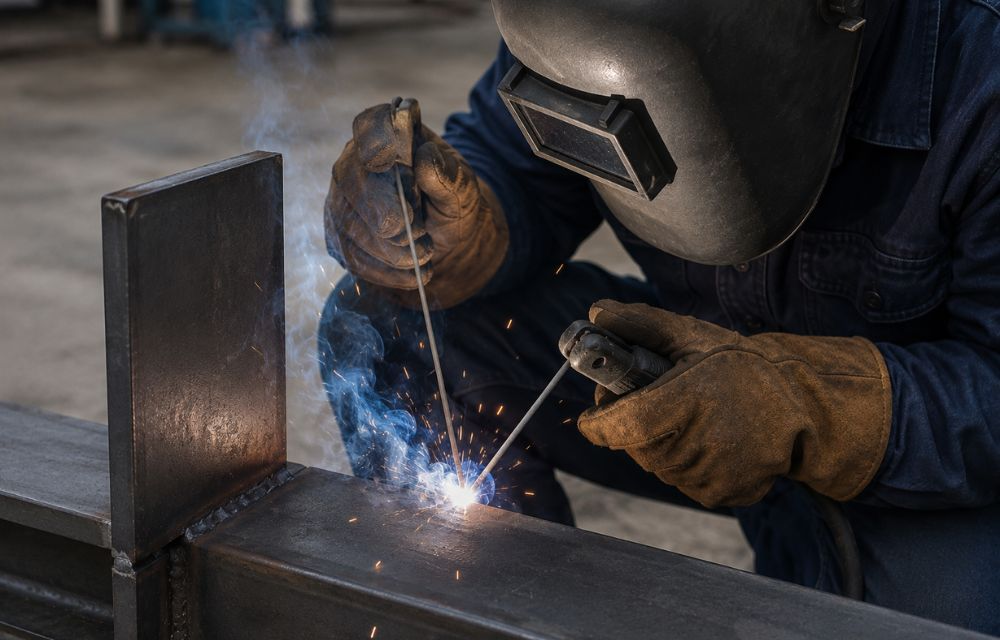
Welding is a skilled craft that involves joining two or more metal pieces by applying heat and pressure. Whether you’re a professional welder or someone getting started with the trade, using the right manual welding equipment and tools is critical to achieving strong, clean welds. Manual welding, as the name suggests, requires the welder to actively control the welding process with their hands. This makes it a precise skill that demands both the right equipment and a keen understanding of how each tool works.
In this blog, we will take a closer look at the essential manual welding equipment and tools you need for the job. From the welding machine to protective gear, let’s explore what every welder should have in their toolkit.
1. Welding Machine
The heart of any welding operation is the welding machine itself. For manual welding, you typically use either a MIG (Metal Inert Gas) welder, TIG (Tungsten Inert Gas) welder, or Stick welder. Each of these machines has its own unique characteristics, making them suitable for different types of projects.
- MIG Welders are popular for their ease of use and versatility. These are often used for thicker metals and large projects. They provide a continuous wire feed, which makes it easier to weld for beginners.
- TIG Welders are used for fine, high-quality welding. They provide a very clean and precise weld, making them ideal for thin materials and applications that require high levels of accuracy.
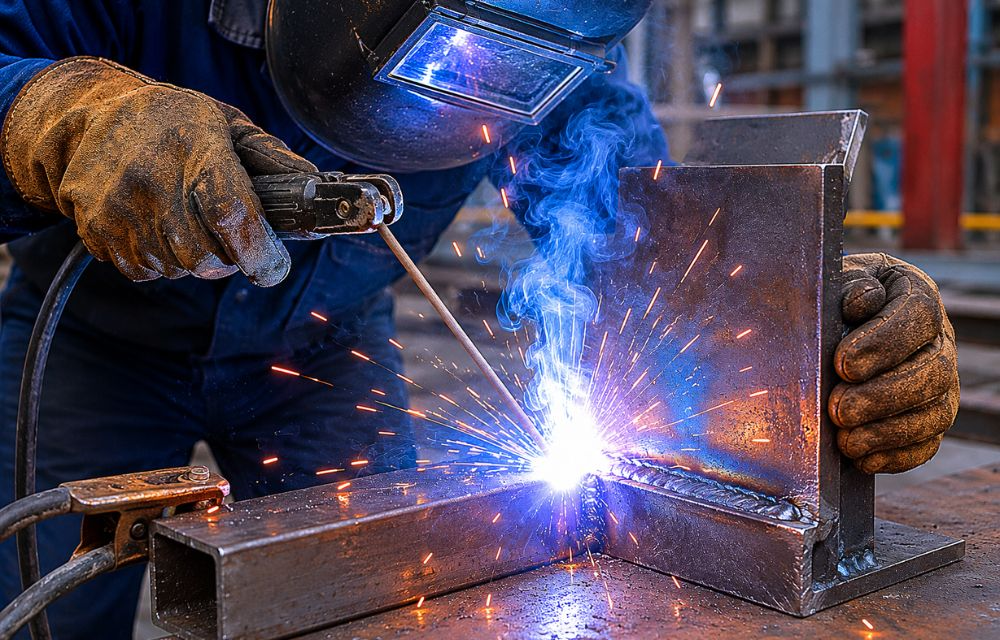
- Stick Welders are more portable and typically used for heavy-duty jobs, especially in outdoor conditions. Stick welding is perfect for thicker metals, though it may not be as clean as MIG or TIG welding.
Choosing the right welding machine depends on the materials you’re working with and the specific requirements of your project.
2. Welding Electrodes and Filler Rods
For manual welding, the welding electrode and filler rod play a crucial role in the process. These are the materials used to create the weld joint. Electrodes are used in stick welding, while filler rods are used in TIG welding. Both the electrode and filler rod need to match the metal being welded to ensure a strong and durable bond.
- Stick Electrodes come in different types and coatings, each suited to specific materials.
- Filler Rods are generally made from the same material as the workpiece to maintain consistency in strength and appearance.
3. Welding Helmet and Face Shield
Safety is paramount when performing manual welding. The intense light produced by the welding process can cause serious eye damage, and sparks can fly, potentially causing burns or injuries. A welding helmet is essential to protect your eyes and face from harmful UV rays and flying debris.
- Auto-Darkening Helmets are a great option for many welders. These helmets automatically adjust the lens shade when the welding arc is struck, providing clear visibility when not welding and full protection when the arc is active.
- Face Shields provide additional protection to the face, especially when you’re welding on smaller projects where a full helmet may not be necessary.
4. Gloves and Protective Clothing
Welding gloves are designed to protect your hands from both heat and sparks. The material used in welding gloves is typically thick leather or other durable materials to withstand high temperatures. Protective clothing, such as long-sleeve shirts, aprons, and flame-resistant jackets, also help prevent burns and injuries.
- Welding Gloves are typically made from thick leather, providing both heat resistance and flexibility.
- Flame-Resistant Clothing helps protect your body from sparks and molten metal.
5. Welding Torch
The welding torch is an essential tool for manual welding. It is used to direct the flow of heat and the filler material to the welding joint. Different types of torches are used depending on the welding technique. For example, a TIG torch is different from a MIG torch due to the additional features that each requires for their respective processes.
- MIG Welding Torches feature a wire feed that continuously feeds the welding wire to the weld joint.
- TIG Welding Torches have a non-consumable tungsten electrode that creates the arc, and a filler rod is added manually.
6. Welding Clamps and Magnets
Holding the materials in place is another crucial aspect of manual welding. Welding clamps and magnets ensure the workpieces stay aligned while you work on them. Without proper clamping, you risk misaligning the pieces, which can lead to weak welds or poor aesthetics.
Also Read – Mastering Manual Welding: Techniques and Tips
7. Angle Grinder
An angle grinder is an important tool for cleaning up your welds. It is used for grinding down welds, removing excess slag, and smoothing rough edges. This ensures that the weld is as clean and strong as possible.
Conclusion
Having the right manual welding tools is vital to ensuring a successful and safe welding process. From the welding machine to safety gear, each piece of equipment plays an important role in achieving precise, clean, and durable welds.
For those in Dubai or the UAE looking for high-quality welding equipment and services, Raysun Techno Industries LLC offers expert solutions. Their expertise and wide range of welding tools ensure that all your welding needs are met with precision and efficiency, making them a reliable partner for both small and large-scale projects. Whether you’re just starting out or are a seasoned welder, their products and services will help take your craft to the next level.
